01
Manual & spinal therapy
Hands-on joint mobilisation and soft-tissue work to support comfort and movement within an active plan.
One-to-one physiotherapy in Rewa
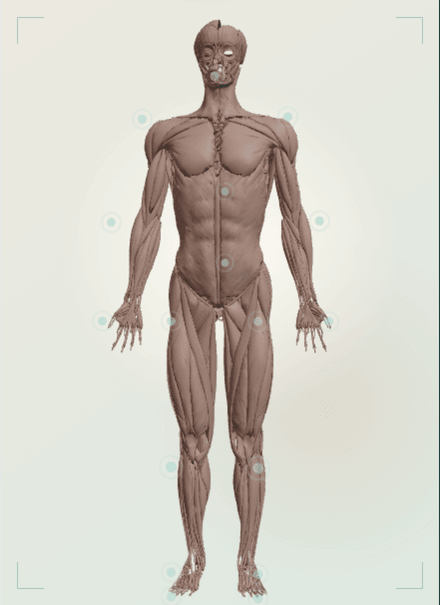
Choose where movement feels difficult. This interactive anatomy map explains common patterns—then an assessment turns them into your personal plan.
Drag to turn · select a muscle or region marker Arrow keys rotate or zoom. Use the region menu to choose an area.
Where posture, stress and screen habits often meet.
A postural and neurological screen can guide gentle mobilisation, symptom-relieving techniques, deep-neck control and practical ergonomic changes.
A highly mobile joint that needs both freedom and control.
Treatment may combine joint mobility, scapular control and progressively loaded rotator-cuff exercise, matched to the irritable stage of the shoulder.
A small joint with a large role in grip and work.
Load-management advice, progressive tendon exercise, mobility work and task-specific retraining can restore capacity without simply avoiding movement.
Precision movement deserves precise rehabilitation.
A hand and nerve assessment can guide mobility, tendon and nerve-gliding, graded strengthening, splint advice and workstation changes where relevant.
A key link between breathing, posture and shoulder movement.
Thoracic and rib mobility, breathing mechanics, muscle conditioning and practical desk habits can share the load more evenly.
Back pain is common; its drivers are individual.
A movement and nerve screen helps identify a useful direction, then combines symptom relief with trunk, hip and gradual load training.
A power joint for walking, stairs and balance.
Mobility, gait review and progressive gluteal and leg strength can improve how the hip accepts and transfers load.
Strong knees depend on the whole leg working together.
Swelling and range are addressed alongside criteria-based quadriceps, hip and movement training for everyday or sporting goals.
Mobility below and control above shape every step.
Range, calf capacity, balance and landing mechanics are progressively retrained so the ankle can tolerate real-world demands.
Your foundation adapts to every surface and every step.
Foot and calf loading, gait review, mobility and practical footwear advice can improve tolerance without relying on rest alone.
Anatomy model source and licence · Registered muscle + skeleton source: Z-Anatomy / BodyParts3D · CC BY-SA 4.0
BPT · MPT (Orthopaedics) · Certified Dry Needling Practitioner
Getting started
No online forms — message the clinic or walk in, and we’ll take it from there.
Tell us what’s troubling you on Instagram, or visit during clinic hours. Walk-ins are welcome.
Our physiotherapist examines you, understands your history and explains what’s going on in plain language.
You get a personal treatment plan and start guided sessions — with your progress reviewed as you improve.
Signature care
Hands-on care, modern modalities and supervised movement are combined into one measurable plan.
View all treatmentsHands-on joint mobilisation and soft-tissue work to support comfort and movement within an active plan.
IFT, ultrasound, TENS and shockwave for stubborn tendon and heel pain.
Structured return-to-play programmes for ligament, muscle and overuse injuries.
Milestone-based recovery after joint replacement, fracture fixation and spine surgery.
Meet your physiotherapist
BPT · MPT (Orthopaedics) · Certified Dry Needling Practitioner
“Pain shouts about where it hurts and only whispers about why. My job is to listen to the whisper.”
A clear recovery arc
From settling pain to returning to work, sport and daily life—your plan adapts to your assessment, response and goals.
We assess what may be contributing, calm pain and inflammation, and give you a written plan you understand.
Hands-on therapy and guided exercise restore movement. Everyday tasks begin to feel easier.
Progressive loading builds strength and control to support more durable, confident movement.
Return to work, sport and life with confidence and a home programme that keeps you moving.
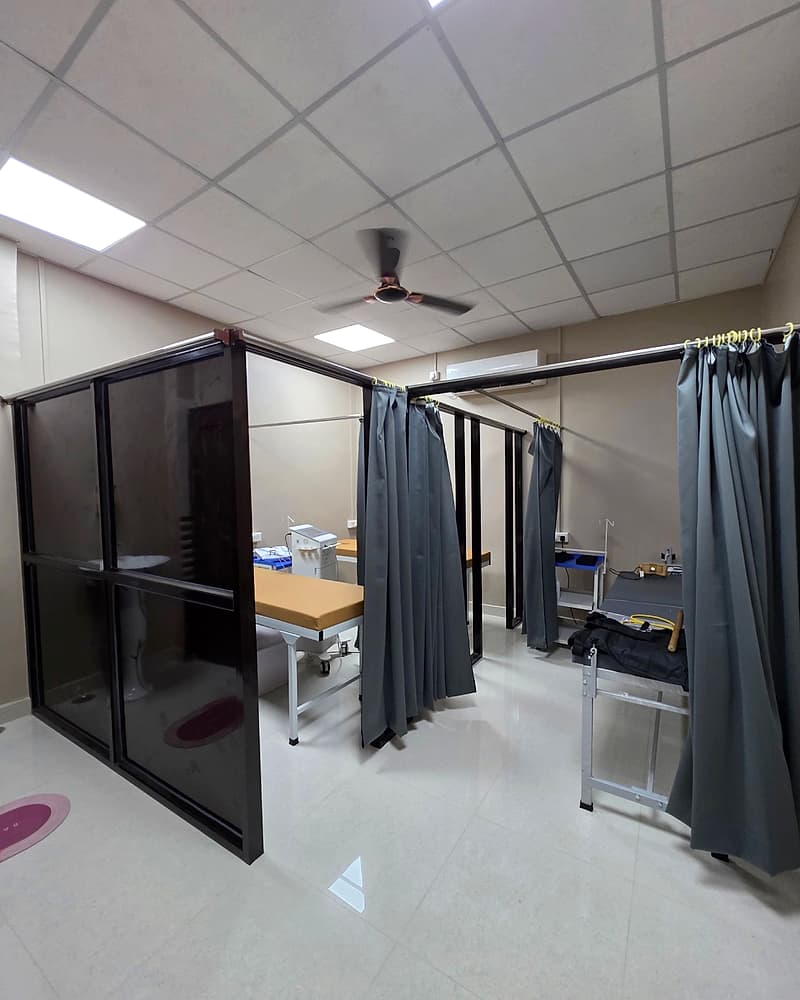
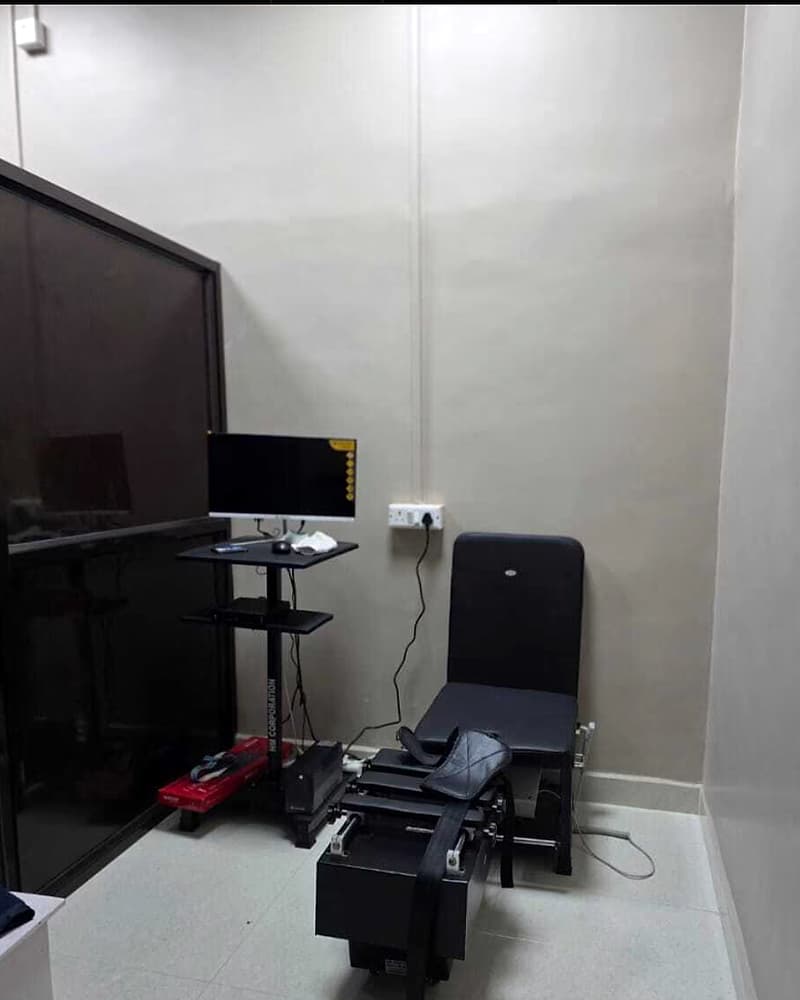
Where recovery happens
Real photographs from the Healwell centre
Good to know
No — you can visit directly or message the clinic first. If your assessment suggests imaging or a specialist opinion, we will guide you.
A detailed movement and history assessment, a clear explanation, your first treatment and a written home plan.
The explorer uses 15 illustrative checkpoints to explain progress. Your actual number of sessions depends on the assessment, response and goals.
Visit us in Rewa
We’re in Rewa Super Bazar — opposite the TV Tower and near Raj Kapoor Auditorium.
Mon–Sat · 10 AM – 8 PM
Sunday by appointment
No Instagram account? Walk in during clinic hours—no login or online form needed.